Recycled Leather Market Growth: New Opportunities Driven by Circular Economy and Sustainable Manufacturing
As sustainability becomes a stronger priority across global industries, recycled leather is gaining more attention as a practical solution for leather waste recovery and material reuse. From fashion and footwear to furniture, automotive interiors, and leather goods, manufacturers are increasingly looking for ways to reduce waste, improve material utilization, and build more responsible supply chains.
For companies involved in leather recycling equipment, this trend creates new opportunities. Efficient leather crushing, fiberizing, and processing systems can help turn leather scraps and offcuts into valuable recycled materials, supporting both environmental goals and industrial production needs.
Market Demand for Recycled Leather Is Growing
The global recycled leather market is expected to continue growing in the coming years. According to Fact.MR, the global recycled leather market is forecast to reach around USD 1.1 billion in 2025 and grow to around USD 1.7 billion by 2035, with an estimated compound annual growth rate of 4.4%. The report also highlights sustainable fashion, footwear, and eco-friendly material demand as key growth drivers.
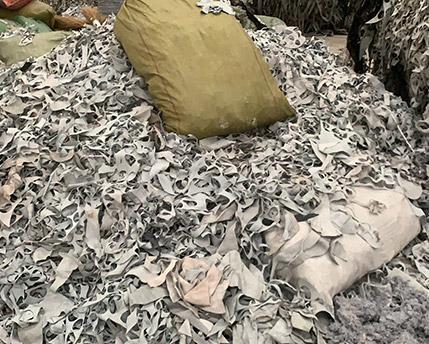
This growth reflects a wider shift in the leather and consumer goods industries. Brands, manufacturers, and end users are paying more attention to recycled materials, lower waste production, and circular manufacturing models. In leather processing, large amounts of scraps, trimmings, and offcuts are generated during production. If these materials are properly collected, crushed, fiberized, and reused, they can become an important resource instead of industrial waste.
Leather Naturally also points out that leather itself is connected with resource efficiency, as it uses a by-product of the food industry to create durable products. This makes recycling and reuse an important direction for the future of the leather industry.
Downstream Applications Are Expanding
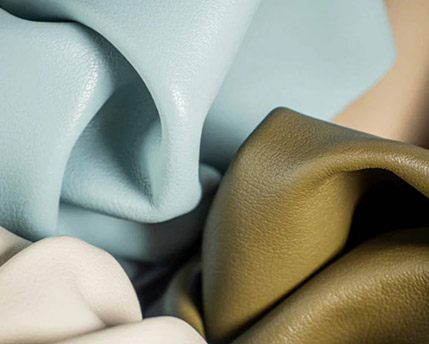
Recycled leather is being explored in a growing number of applications. In fashion, footwear, handbags, and accessories, many brands are looking for materials that can reduce environmental impact while still offering a leather-like appearance and performance. Consumers, especially younger buyers, are also showing more interest in products with sustainable and circular material stories.
The furniture and automotive interior industries also have strong potential demand. These sectors require large volumes of surface materials and are under pressure to control raw material costs, improve environmental compliance, and reduce waste. Recycled leather materials can provide an additional option for manufacturers that want to balance cost, performance, and sustainability.
Recent industry developments also show that recycled leather is moving from concept to real commercial use. Reuters reported that Tapestry, the parent company of Coach and Kate Spade, increased its investment in recycled leather material company Gen Phoenix, supporting its long-term strategy for more sustainable leather goods.
Circular Economy Is Pushing the Leather Industry Forward
The circular economy is becoming an important development direction in Europe, North America, and other major markets. The European Commission’s Circular Economy Action Plan focuses on product life cycles, waste prevention, and keeping resources in use for as long as possible.
For the leather industry, this means that waste materials such as leather scraps, offcuts, and used leather products will receive more attention. Instead of being treated only as waste, these materials can be collected, sorted, crushed, and processed into recycled leather fibers or composite materials.
This trend is not only about environmental responsibility. It is also about improving production efficiency, reducing raw material waste, and creating new value from existing resources.
Equipment and Technology Will Play a Key Role
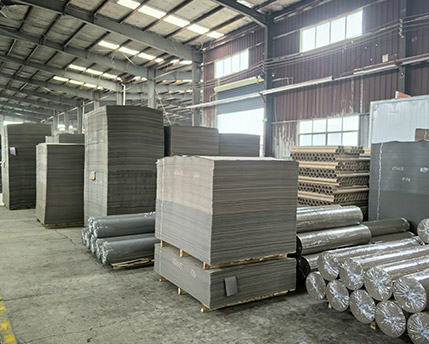
The development of the recycled leather industry depends heavily on stable and efficient processing equipment. A complete recycled leather production process usually includes waste collection, sorting, coarse crushing, fine crushing, fiberizing, mixing, forming, and finishing.
Among these steps, crushing and fiberizing are especially important. Large leather scraps must first be broken into smaller pieces. Then, through further processing, the material can be turned into finer leather fibers for downstream production. The quality and stability of this stage directly affect the final performance of recycled leather products.
For manufacturers, reliable leather recycling machinery can help improve material utilization, reduce labor costs, increase production efficiency, and support continuous industrial production. As recycled leather production becomes more standardized, demand for automated and energy-efficient equipment is expected to increase.
A New Opportunity for Leather Manufacturers
The recycled leather market is not only a trend for material suppliers and brands. It is also an important opportunity for leather factories, footwear manufacturers, furniture producers, and automotive interior suppliers. By investing in leather waste recycling and processing systems, companies can reduce waste, create new material value, and strengthen their competitiveness in international markets.
For equipment suppliers, this creates a clear direction: provide practical, reliable, and efficient solutions for leather waste crushing, fiberizing, and recycled leather production. With the continued growth of sustainable manufacturing, recycled leather equipment will become an important part of the leather industry’s future development.
Conclusion
Recycled leather is becoming an important part of the global shift toward sustainable materials and circular manufacturing. Growing market demand, expanding downstream applications, and stronger environmental awareness are all creating new opportunities for the leather recycling industry.
As a manufacturer of recycled leather machinery, Huaixi Machinery is committed to providing equipment solutions for leather waste crushing, fiberizing, and complete recycled leather production lines. By helping customers turn leather waste into valuable recycled materials, we support both industrial efficiency and a more sustainable future for the leather industry.