Sustainable Development — Recycled Leather Drives Low-carbon Fashion
Sustainability is becoming a key direction for the global fashion industry. As consumers, brands, and regulators pay closer attention to carbon emissions and material waste, recycled leather is gaining more attention as a practical solution for reducing environmental impact while maintaining the texture and performance of leather-based products.
A recent example comes from Coach and Gen Phoenix. Coach’s parent company, Tapestry, has expanded its investment in Gen Phoenix, a recycled leather materials company, and the two companies have entered into a three-year supply agreement for recycled materials. According to Reuters, the partnership between Tapestry and Gen Phoenix began in 2022 with Coach’s Coachtopia line, which uses recycled leather fibers from waste materials. Gen Phoenix estimates that its materials have an 80% lower carbon footprint than virgin leather.
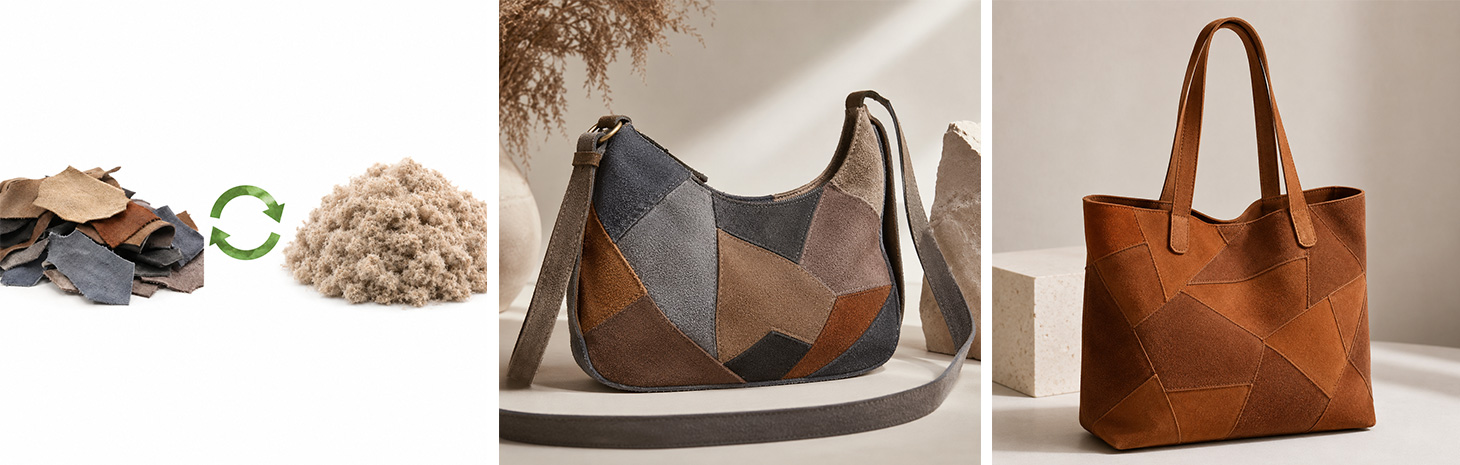
This cooperation shows how recycled leather is moving from an industrial recycling concept into consumer-facing fashion products. Instead of treating leather waste as a low-value byproduct, brands are beginning to transform it into materials for handbags, accessories, and other leather goods. For fashion companies, this approach not only helps reduce waste, but also supports brand communication around circularity, responsible sourcing, and lower-carbon production.
The rise of recycled leather also reflects a broader shift in the fashion supply chain. More brands are looking for materials that can combine performance, appearance, and sustainability. Coachtopia, for example, was launched by Coach as a circular fashion line focused on using waste and recycled materials, with product design features that support repair, reuse, and longer product life cycles.
For the recycled leather industry, this trend creates new opportunities. As more fashion, footwear, and bag brands adopt circular materials, demand will grow for stable recycled leather supply, consistent fiber quality, and scalable production technology. This means that upstream processing equipment, including leather scrap crushers, fiber opening machines, dust separation systems, mixing equipment, and hot-pressing lines, will become increasingly important.
In recycled leather production, raw material preparation is one of the most important steps. Leather scraps must first be cut into smaller and more uniform pieces. Then, fiber opening equipment loosens the leather fibers into fluffy fiber tufts, making them easier to mix with adhesives, fillers, or other materials. A stable preparation process helps improve the quality, strength, and appearance of the final recycled leather products.
As ESG requirements and carbon reduction targets continue to influence global brands, recycled leather is expected to play a larger role in sustainable fashion. For manufacturers, this is not only a market opportunity, but also a chance to upgrade production technology and participate in a more circular value chain. Companies that can provide efficient equipment, reliable production processes, and stable recycled material solutions will be better positioned to serve the next stage of low-carbon fashion manufacturing.
Looking ahead, recycled leather will no longer be seen only as a substitute for traditional leather. With better processing technology, improved material performance, and stronger brand demand, it can become an important material choice for bags, footwear, upholstery, decorative panels, and other applications. The future of low-carbon fashion will depend not only on new materials, but also on the equipment and manufacturing systems that make large-scale recycling possible.